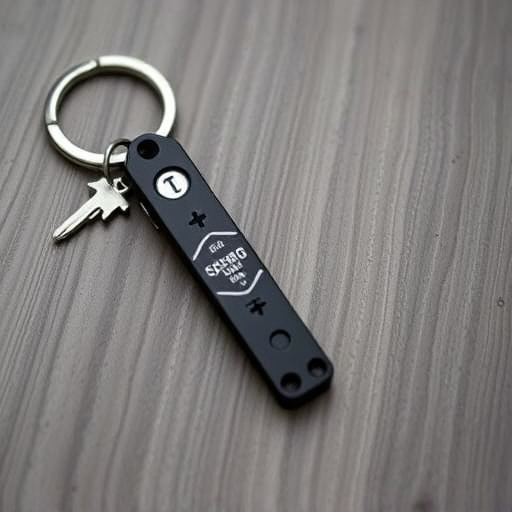
The Kubotan keychain is a compact, powerful personal defense tool, offering discreet yet effective protection against attackers. Crafted with robust metals like stainless steel and aluminum, it ensures durability and portability. Strategic material choice balances strength and lightweight design for optimal performance in various situations. Ergonomic grip designs enhance accessibility and control, accommodating different hand sizes and techniques, empowering users to confidently defend themselves.
“Elevate your personal defense with the versatile Kubotan keychain—a compact tool designed for safety. This article explores the art of crafting an effective Kubotan grip, focusing on materials, ergonomics, and design. Learn how to choose durable metal alloys, understand basic kubotan techniques, and optimize its use during emergencies. Discover key tips to enhance your self-defense capabilities with this handy device, providing peace of mind and the confidence to defend against attackers.”
- Understanding Kubotan Keychain Basics for Defense
- Choosing Materials and Metal Alloys for Durability
- Ergonomics and Grip Design for Effective Use in Emergencies
Understanding Kubotan Keychain Basics for Defense
The Kubotan keychain is a compact, multi-tool designed for personal defense and self-protection. Often made of metal with various grip designs, it’s a versatile tool that can help defend against attackers in unexpected situations. The basic concept revolves around using the keychain as a striking tool to create distance from an assailant or disrupt their attack.
Its small size makes it easy to carry discreetly, ensuring you’re always prepared. The key ring and grip design allow for quick access and control during a confrontation. Effective Kubotan techniques focus on targeting vulnerable areas like eyes, throat, groin, or knees. Proper training is essential to maximize its potential as a defense tool against attackers, providing individuals with increased confidence and peace of mind in potentially dangerous situations.
Choosing Materials and Metal Alloys for Durability
When designing a Kubotan keychain for defense against attackers, choosing the right materials and metal alloys is paramount for durability. Opt for high-quality metals like stainless steel or aviation-grade aluminum, which offer excellent resistance to impact and corrosion. These materials ensure your keychain can withstand rigorous use during self-defense situations.
Additionally, consider alloy compositions that blend strength with lightweight properties. For instance, a mix of titanium and aluminum can provide exceptional toughness while keeping the keychain maneuverable. This balance is crucial for a Kubotan, as it needs to be sturdy enough to cause harm yet portable enough to carry daily.
Ergonomics and Grip Design for Effective Use in Emergencies
When designing a Kubotan keychain for defense against attackers, ergonomics and grip design are paramount. The key chain should comfortably fit in your hand, allowing quick and precise access during emergencies. A well-designed Kubotan features a textured grip that enhances friction, ensuring it doesn’t slip when you need it most. This ergonomic focus prevents accidental drops or misplacement, making it easily retrievable in high-stress situations.
Additionally, the grip should be tailored to accommodate various hand sizes and shapes. A versatile design accommodates both palm grips for powerful strikes and finger loops for added control. These features empower users of all abilities to effectively employ the Kubotan as a defensive tool, providing them with confidence and peace of mind in potentially dangerous scenarios.
When it comes to self-defense tools like the Kubotan keychain, attention to detail in design is paramount. By selecting durable materials and prioritizing ergonomics, you enhance your ability to defend yourself effectively during emergencies. Incorporating these metal defense keychain grip design tips ensures a secure, comfortable hold, enabling you to utilize the tool with precision and confidence when facing attackers.